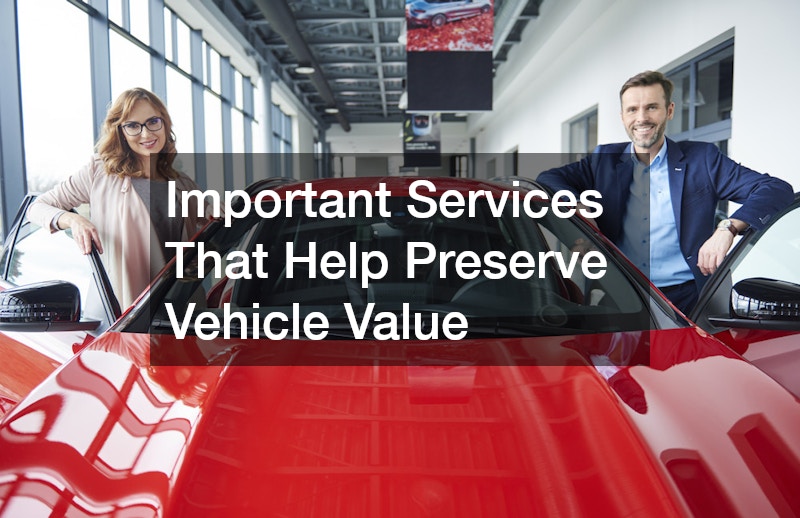
A vehicle is one of the largest investments many people make, second only to purchasing a home. Whether you plan to keep your car for ten years or trade it in after a few seasons, maintaining its condition plays a major role in protecting its long-term value. A well-maintained vehicle not only performs better but also attracts more buyers and higher offers when it is time to sell or trade.
Many drivers focus only on fixing problems after they appear, but proactive maintenance is what truly preserves value. Cosmetic care, mechanical maintenance, routine inspections, and preventive treatments all contribute to extending a vehicle’s life while helping it look and drive like new.
The good news is that preserving your vehicle’s value does not always require major expenses. Consistent attention to small details can prevent larger problems from developing and save thousands of dollars over time. By understanding which services matter most, drivers can make smarter decisions that protect both their investment and their driving experience.
Why Routine Inspections Prevent Expensive Problems Later

Regular inspections are one of the simplest yet most effective ways to maintain a vehicle’s condition. Small issues often develop gradually and, without proper inspections, can turn into costly repairs that reduce performance and resale value.
Experienced mechanics can identify worn belts, fluid leaks, brake issues, uneven tire wear, and suspension problems long before they become major concerns. Catching these issues early helps drivers avoid breakdowns and expensive emergency repairs.
Routine auto repair visits also help create a documented maintenance history. Buyers are far more likely to trust a vehicle that has detailed service records showing consistent care over time.
Benefits of Routine Inspections
- Detects minor issues before they become severe
- Improves fuel efficiency and overall performance
- Helps maintain manufacturer warranty requirements
- Reduces the likelihood of roadside breakdowns
- Builds buyer confidence during resale
Drivers should pay close attention to warning signs that suggest maintenance is overdue. Strange noises, dashboard warning lights, rough idling, or changes in handling should never be ignored.
It is also helpful to follow a seasonal maintenance routine. Weather changes can impact battery performance, tire pressure, and fluid conditions. Preparing a vehicle for summer heat or winter cold helps minimize unnecessary wear.
Keeping organized service records is another important step. Whether stored digitally or on paper, maintenance documentation demonstrates responsible ownership and helps support higher resale values in the future.
Protecting Your Vehicle’s Exterior From Daily Damage
The exterior condition of a vehicle heavily influences how people perceive its value. Even if a car runs perfectly, faded paint, scratches, and oxidation can make it appear neglected.
One of the best ways to preserve appearance is through vehicle paint protection. Protective treatments create a barrier against UV rays, road debris, bird droppings, salt, and environmental contaminants that slowly damage the finish over time.
Many drivers are now investing in auto ceramic coatings because they offer longer-lasting protection than traditional wax products. These coatings bond to the surface of the paint and help repel water, dirt, and contaminants while maintaining a glossy finish.
Common Causes of Exterior Damage
- Sun exposure and UV rays
- Road salt and harsh weather
- Tree sap and bird droppings
- Automatic car wash scratches
- Dirt and debris accumulation
Drivers can extend exterior protection by following a few simple habits:
- Wash vehicles regularly using proper techniques
- Avoid abrasive cleaning products
- Park in shaded or covered areas whenever possible
- Remove contaminants quickly before they stain the paint
- Use microfiber towels to prevent scratches
Consistent exterior maintenance not only improves appearance but also helps preserve resale value. Buyers often associate clean paint and shiny finishes with responsible ownership and proper care.
Neglecting paint protection can eventually lead to oxidation, clear-coat peeling, and rust formation. These issues are expensive to correct and can significantly lower a vehicle’s market value.
Addressing Minor Damage Before It Hurts Resale Value
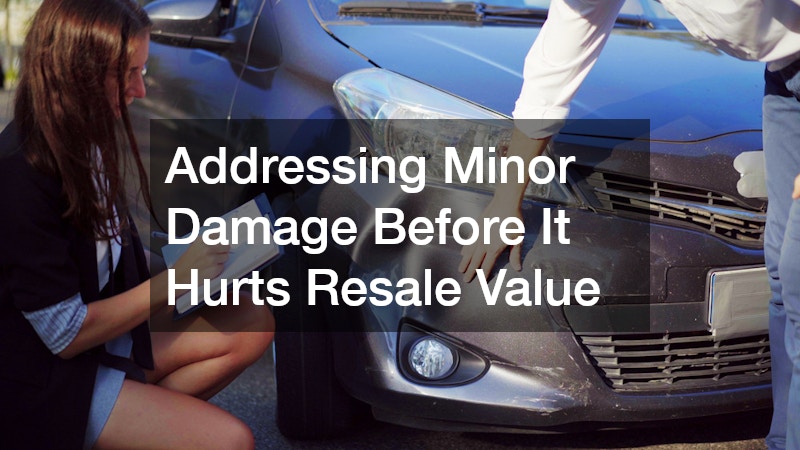
Small cosmetic problems may seem harmless at first, but they can quickly affect a vehicle’s long-term value. Chips, dents, cracks, and scratches create the impression that a car has not been properly maintained.
Prompt collision repairs help restore structural integrity and visual appeal after accidents or minor impacts. Even relatively small dents can worsen over time if moisture reaches exposed metal surfaces.
Windshield damage is another issue drivers should address quickly. Delaying windshield replacement can compromise visibility and safety while allowing cracks to spread across the glass.
Reasons To Repair Damage Quickly
- Prevents rust and corrosion : Repairing scratches and dents quickly helps stop moisture and road salt from causing rust that can spread beneath the paint.
- Maintains structural safety : Prompt repairs help ensure damaged panels and components continue to protect passengers properly during future accidents.
- Preserves visual appearance : Fixing cosmetic damage early helps vehicles maintain a clean, polished, and well-maintained appearance.
- Helps avoid larger repair costs later : Addressing small problems immediately can prevent them from turning into more expensive repairs over time.
- Improves resale and trade-in potential: Vehicles with fewer visible issues typically receive higher offers from buyers and dealerships.
When choosing repair services, quality matters. Poorly completed bodywork or mismatched paint can hurt vehicle value just as much as visible damage. Drivers should seek experienced professionals who use quality materials and proper repair techniques.
It is also wise to keep repair receipts and, whenever possible, before-and-after photos. Documentation helps reassure future buyers that repairs were completed professionally and responsibly.
Some drivers postpone repairs because they believe minor damage is purely cosmetic. However, small problems often become larger and more expensive over time. Addressing damage promptly is one of the smartest ways to preserve value.
Keeping The Engine Running Smoothly For Years
The engine is the heart of any vehicle, and its condition plays a major role in determining reliability, performance, and resale value. Vehicles with neglected engines often experience poor fuel economy, reduced performance, and costly failures.
Routine car engine repair and preventative maintenance help extend engine life while minimizing expensive breakdowns. Oil changes, fluid flushes, spark plug replacements, and cooling system maintenance all contribute to keeping an engine healthy.
Drivers who own luxury imports should pay special attention to specialized maintenance requirements. European auto repair often requires advanced diagnostic tools and technicians trained specifically for imported vehicle systems.
Essential Engine Maintenance Tasks
- Regular oil and filter changes
- Cooling system inspections
- Timing belt and serpentine belt checks
- Air filter replacements
- Fuel system cleaning
- Battery and charging system testing
Ignoring routine maintenance often leads to major engine problems, such as:
- Overheating
- Oil sludge buildup
- Misfires
- Poor acceleration
- Excessive fuel consumption
Drivers should also avoid aggressive driving habits that place unnecessary strain on engine components. Rapid acceleration, hard braking, and ignoring warm-up periods can accelerate wear.
Listening for unusual sounds is another important habit. Knocking noises, ticking, grinding, or excessive exhaust smoke often signal developing engine issues that require immediate attention.
Vehicles with well-maintained engines consistently command higher resale prices because buyers value reliability and lower future repair risks.
How Professional Cleaning Services Preserve Interior Value
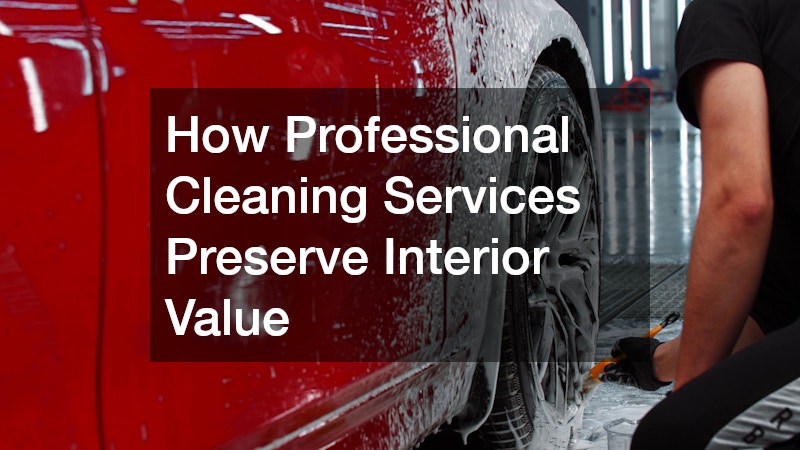
Interior condition matters just as much as exterior appearance when determining vehicle value. A clean, fresh cabin creates a strong first impression and helps buyers feel confident about the car’s overall condition.
Working with a local auto detailer can help maintain upholstery, carpets, dashboards, and trim materials while preventing long-term deterioration. Professional detailing services reach areas many drivers overlook during routine cleaning.
Protective treatments such as auto ceramic coatings are also becoming increasingly popular for interior surfaces because they help reduce stains and wear while simplifying future cleaning.
Areas That Require Consistent Interior Care
- Leather seating surfaces : Regular cleaning and conditioning help prevent leather seats from cracking, fading, and drying out.
- Fabric upholstery: Routine maintenance helps remove stains, dirt, and odors that can make interiors look worn and neglected.
- Carpets and floor mats : Keeping carpets and mats clean prevents trapped moisture and debris from causing stains and unpleasant smells.
- Dashboard and center console: Wiping down hard surfaces regularly helps reduce fading, cracking, and dust buildup caused by sun exposure.
- Door panels and trim : Consistent care helps preserve interior materials and keeps trim pieces looking clean and undamaged.
- Air vents and hard-to-reach surfaces : Cleaning hidden areas helps improve air quality and prevents dust accumulation throughout the cabin.
Drivers can preserve interior condition by adopting a few simple habits:
- Vacuum regularly to prevent dirt buildup
- Clean spills immediately
- Use sunshades to reduce UV exposure
- Avoid smoking inside the vehicle
- Protect leather with conditioning treatments
Odors are another major factor that affects resale value. Lingering smells from pets, smoke, food, or moisture can discourage potential buyers and significantly reduce offers.
Professional detailing helps eliminate deep stains, embedded dirt, and hidden odors that regular cleaning may miss. Maintaining a fresh, clean interior helps vehicles retain a newer appearance for much longer.
Choosing The Right Coverage To Protect Your Investment
Insurance decisions play a surprisingly important role in preserving vehicle value. Many drivers focus only on finding the cheapest policy, but inadequate coverage can lead to poor-quality repairs and higher out-of-pocket expenses after accidents.
Reputable auto insurance agencies can help drivers select policies that support long-term vehicle protection. Coverage choices often determine whether quality replacement parts and professional repair facilities are used after an accident.
Proper coverage becomes especially important when collision repairs are necessary. Choosing policies that allow access to trusted repair shops helps ensure work is completed correctly and safely.
Important Questions To Ask About Coverage
- Does the policy allow OEM replacement parts?
- Are rental vehicles included during repairs?
- Can drivers choose their preferred repair shop?
- What deductibles are manageable long term?
- Are windshield and cosmetic damages covered?
Drivers should also understand the risks of underinsuring their vehicles. Low-cost policies sometimes limit repair options or encourage the use of lower-quality aftermarket components that may reduce resale value.
Maintaining continuous insurance coverage is equally important. Coverage gaps can increase future premiums and complicate claims processes later.
Keeping records of repairs and insurance claims can also benefit resale efforts by showing transparency and demonstrating that repairs were handled professionally.
Creating A Long-Term Maintenance Plan That Works
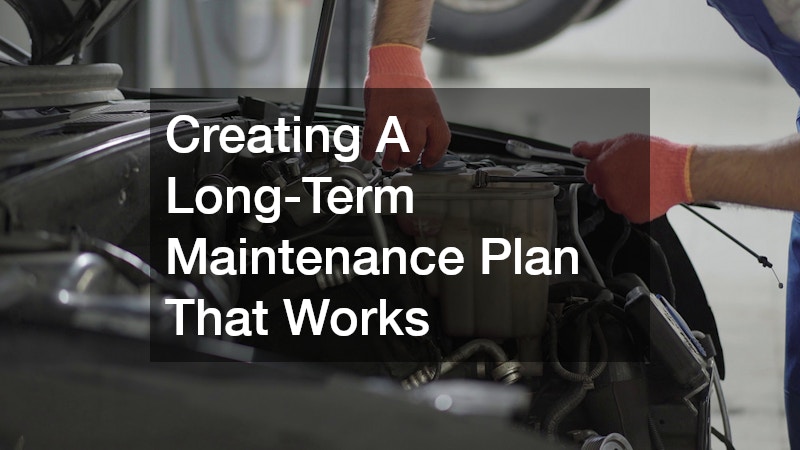
Protecting vehicle value requires consistency. Rather than waiting for problems to appear, drivers should create a long-term maintenance strategy that addresses both appearance and mechanical performance.
Working with trusted mechanics helps drivers stay ahead of maintenance schedules while ensuring important services are completed on time. A preventative approach almost always costs less than emergency repairs.
One commonly overlooked service is timely windshield replacement when cracks become severe. Delaying repairs may compromise safety while increasing replacement costs later.
Elements of an Effective Maintenance Plan
- Scheduled oil changes: Regular oil changes help reduce friction, improve performance, and extend engine life.
- Tire rotations and alignments: Rotating and aligning tires consistently helps promote even tread wear and improve handling and fuel efficiency.
- Brake inspections: Routine brake checks help identify worn components early and ensure the vehicle remains safe to drive.
- Seasonal fluid checks: Inspecting fluids year-round helps protect critical systems from extreme temperatures and wear.
- Battery testing: Regular testing helps prevent unexpected failures and ensure reliable vehicle starts.
- Paint and interior protection treatments: Protective treatments help preserve the vehicle’s appearance by reducing damage from sunlight, dirt, and everyday use.
Drivers should also budget for preventative care throughout the year. Setting aside funds for routine maintenance reduces financial stress when service appointments arise.
Today, technology can make maintenance tracking much easier. Many mobile apps allow drivers to:
- Track service intervals
- Monitor fuel economy
- Store maintenance receipts
- Set reminders for inspections
- Record repair history
Seasonal adjustments are also important. Cold weather can affect battery performance and tire pressure, while hot temperatures can strain cooling systems and paint surfaces.
Consistency is what ultimately preserves value over time. Vehicles that receive regular attention remain safer, cleaner, more reliable, and more appealing to future buyers.
Protect Your Vehicle’s Value With Consistent Preventive Care
Maintaining a vehicle’s value requires more than occasional repairs or car washes. Long-term preservation comes from consistent care, preventative maintenance, and smart decision-making throughout ownership. Drivers who invest in regular inspections, exterior protection, engine maintenance, and interior care are far more likely to enjoy dependable performance and stronger resale opportunities.
Small steps taken today can prevent major expenses tomorrow. Addressing issues early, following maintenance schedules, and protecting both appearance and performance all contribute to extending a vehicle’s lifespan.
Whether planning to keep a car for many years or preparing for a future trade-in, proactive maintenance remains one of the smartest financial decisions any driver can make.